
Learn why Toyota vehicles benefit from specialized service.
Toyota’s reputation for reliability isn’t just marketing – it’s earned through decades of engineering excellence and proven by millions of vehicles exceeding 300,000 miles worldwide. However, this exceptional longevity doesn’t happen automatically. It requires understanding Toyota’s unique approach to automotive engineering and maintaining these vehicles according to their specific needs.
From the efficient Corolla navigating UNT’s campus to the hardworking Tundra hauling equipment across Denton County, Toyota vehicles are designed with distinct systems and maintenance requirements. At All About Imports (AAI), we’ve specialized in Toyota vehicles since 2009, developing the knowledge necessary to help these vehicles achieve their legendary longevity.
While any shop can change oil or replace brake pads, Toyota’s engineering philosophy includes unique systems and maintenance approaches that benefit from specialized understanding. The difference between adequate service and specialized care can add years and tens of thousands of miles to your Toyota’s life.
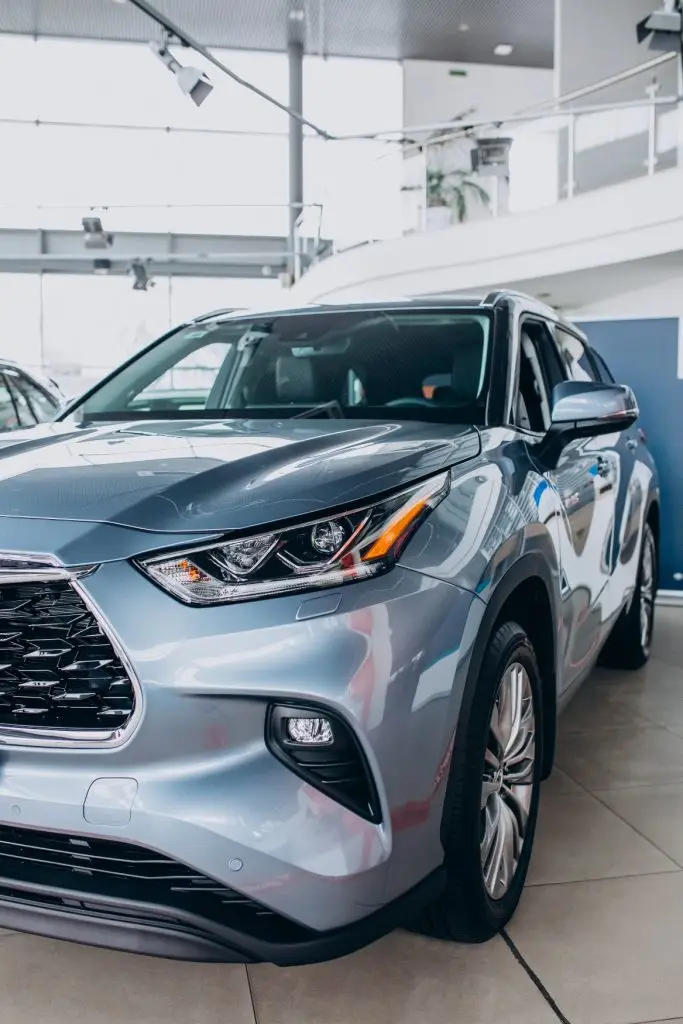

Toyota’s philosophy of continuous improvement (Kaizen) means each model year may include subtle but important updates. These refinements might not be obvious but can affect maintenance procedures and requirements. Service providers familiar with Toyota understand these evolutionary changes and adjust their service approach accordingly.
For example, Toyota’s variable valve timing system (VVT-i) has evolved through multiple generations. Each iteration has specific maintenance considerations, from oil requirements to cleaning intervals. Generic shops might not recognize these distinctions, potentially using outdated service procedures.
Toyota pioneered hybrid technology with the Prius and now offers hybrid versions across their lineup. These sophisticated powertrains require specialized knowledge that goes beyond traditional automotive service. The synergy between gasoline engine, electric motors, and battery systems demands understanding of unique maintenance requirements.
Hybrid cooling systems, for instance, may have separate circuits for the inverter and battery pack. Brake systems use regenerative technology that affects pad wear patterns differently than conventional vehicles. Even something as simple as jump-starting a hybrid Toyota requires specific procedures to avoid expensive damage.
Toyota’s manufacturing precision means components are built to specific tolerances that may differ from industry standards. Using incorrect parts or fluids, even if they meet general specifications, can affect performance and longevity.
For example, Toyota’s 0W-20 oil specification isn’t just about fuel economy – it’s engineered for specific bearing clearances and oil passage designs. Using different viscosity oil might not cause immediate problems but can accelerate wear over time.

Toyota vehicles often require specific fluid formulations that differ from universal products. Toyota’s Type WS transmission fluid, for example, has unique friction modifiers designed for their transmission designs. Using generic “compatible” fluid might save a few dollars initially but can cause shifting issues or premature wear.
Similarly, Toyota’s Super Long Life Coolant is formulated specifically for their aluminum engines and mixed-metal cooling systems. Generic coolants might not provide adequate corrosion protection, potentially leading to expensive cooling system failures.
While many Toyota engines use timing chains designed to last the engine’s lifetime, some models still use timing belts requiring periodic replacement. Knowing which system your Toyota has and its maintenance requirements is crucial for preventing catastrophic engine damage.
Certain Toyota V6 engines are interference designs, meaning a broken timing belt can cause valves to contact pistons, resulting in severe engine damage. Professional service providers familiar with Toyota know exactly which models require this critical maintenance and when.
Even Toyota’s timing chains may require attention. Some model years have known issues with timing chain tensioners or guides that benefit from proactive inspection and replacement before failure occurs.
Toyota’s maintenance schedules vary between normal and severe service conditions, but determining which applies to your driving isn’t always straightforward. Stop-and-go traffic on I-35E, short trips around Denton, and Texas heat all qualify as severe conditions, requiring more frequent service.
Understanding these distinctions helps ensure your Toyota receives appropriate maintenance. For example, transmission fluid that might last 60,000 miles under normal conditions may need replacement at 30,000 miles under severe conditions common in North Texas.
Some Toyota engines, particularly certain years of 4-cylinder engines, may experience higher oil consumption. This isn’t necessarily a defect but requires awareness and potentially more frequent oil level checks. Service providers familiar with Toyota understand which models are affected and can advise owners accordingly.
Professional monitoring and documentation of oil consumption can be important for warranty claims or determining if consumption exceeds acceptable levels. Generic shops might not recognize this as a known consideration for certain Toyota models.
Toyota trucks, particularly Tacomas and Tundras, benefit from regular frame inspections. While Toyota addressed frame corrosion concerns in certain model years, ongoing inspection remains important, especially in areas using road salt or experiencing high humidity.
Specialized service providers know where to look for potential issues and understand the difference between surface rust and structural concerns. This knowledge can identify problems early when they’re more easily addressed.
Many Toyota engines have water pumps driven by the timing belt, making water pump replacement advisable during timing belt service. Understanding this relationship and planning accordingly can prevent the need for duplicate labor charges if the water pump fails shortly after timing belt replacement.
Toyota’s cooling systems also require specific service procedures. Simply draining and refilling coolant may not remove all air pockets, potentially leading to overheating. Professional service providers understand proper bleeding procedures for different Toyota models.
Toyota vehicles regularly exceed 200,000 miles, with many reaching 300,000 miles or more. This longevity results from both engineering excellence and proper maintenance. Understanding what makes this possible helps owners make informed maintenance decisions.
Key factors include:
As Toyotas accumulate miles, certain services become increasingly important. Valve adjustments on models with solid lifters, for example, can restore performance and prevent valve damage. Many shops unfamiliar with Toyota might not even check valve clearances.
Transmission service becomes critical for high-mileage vehicles. Toyota’s recommended drain-and-fill method, repeated multiple times if necessary, differs from the power flush many shops promote. Understanding why Toyota recommends this approach helps ensure transmission longevity.
Professional service providers familiar with Toyota can offer valuable guidance about when continued maintenance makes sense. A 200,000-mile Camry with good compression and no rust might be worth significant investment, while another vehicle with structural issues might not justify major repairs.
This expertise helps owners make informed decisions based on realistic expectations of remaining service life and required investment.
Texas heat accelerates degradation of rubber components, fluids, and batteries. Toyota vehicles, while robust, still require adjustment to maintenance schedules for our climate. Battery life in Denton’s summer heat often falls short of Toyota’s estimates based on moderate climates.
Cooling system maintenance becomes even more critical. The combination of highway speeds on I-35E and stop-and-go traffic in downtown Denton stresses cooling systems. Regular coolant changes and inspection of hoses, belts, and fans can prevent overheating failures during summer months.
Toyota air conditioning systems, particularly in popular models like RAV4 and Highlander, work hard in Texas heat. Understanding common failure points and maintaining proper refrigerant levels can prevent expensive compressor failures.
Some Toyota models have known issues with A/C evaporator cores or expansion valves. Service providers familiar with Toyota recognize symptoms of these problems early, potentially saving significant repair costs.
Toyota hybrids excel in the stop-and-go traffic common on Loop 288 and around UNT/TWU campuses. However, hybrid batteries require specific maintenance considerations in Texas heat. Understanding battery cooling system maintenance and recognizing signs of battery degradation helps ensure hybrid reliability.
While Toyota hybrid batteries are remarkably durable, Texas heat can affect their lifespan. Professional service providers understand how to test battery condition and recognize early warning signs of degradation. This knowledge can help owners plan for eventual battery replacement or make informed decisions about vehicle replacement.
Toyota vehicles maintain their value better than most brands, but this assumes proper maintenance. Service records from providers specializing in Toyota carry more weight with informed buyers who understand the importance of specialized care.
Documentation of Toyota-specific maintenance, using correct fluids and procedures, can add thousands to resale value. This attention to proper maintenance pays dividends when selling or trading your vehicle.
Using incorrect fluids or procedures might seem like minor issues but can lead to expensive problems. For example, using the wrong type of coolant can cause electrolysis in the cooling system, damaging the radiator, heater core, and engine components.
Similarly, improper brake bleeding procedures on Toyota vehicles with ABS can damage expensive ABS modules. Understanding Toyota-specific procedures prevents these costly mistakes.
At All About Imports, we’ve focused on Japanese vehicles, including Toyota, since 2009. This specialization means we understand Toyota’s engineering philosophy and maintenance requirements. Our family-owned shop in Denton has built its reputation on providing knowledgeable service for import vehicles.
We maintain current knowledge of Toyota service procedures and common issues affecting specific models and years. Our diagnostic equipment and tools are appropriate for Toyota vehicles, from conventional models to the latest hybrids.
Located at 896 S. Woodrow Ln., we serve Toyota owners throughout Denton County. We understand that your Toyota represents reliable transportation and smart financial investment. We service it with the respect that investment deserves.
Our transparent communication helps you understand your Toyota’s needs and plan for future maintenance. We explain which services are critical and which can wait, helping you budget while ensuring reliability.
Your Toyota was engineered for exceptional longevity, but achieving its full potential requires understanding and respecting its unique maintenance needs. The difference between generic service and specialized care might not be immediately apparent but becomes clear over years and miles.
Whether your Toyota needs routine maintenance, has developed concerning symptoms, or you want to ensure it reaches that 300,000-mile mark, specialized service makes a measurable difference. The small additional investment in specialized care pays dividends through extended vehicle life and maintained reliability.
Don’t wait for problems to develop. Proactive maintenance based on Toyota-specific knowledge prevents issues before they occur, saving money and ensuring your Toyota remains the reliable vehicle you chose.
If your Toyota needs service or you want to ensure it’s on track for maximum longevity, contact All About Imports at (940) 566-2125. Our experienced team understands what makes Toyota vehicles unique and how to maintain them for exceptional reliability.
From routine maintenance to complex diagnostics, from conventional engines to hybrid systems, we provide the specialized service your Toyota deserves. Visit us at 896 S. Woodrow Ln. in Denton, where we’ve been helping Toyota owners achieve maximum vehicle longevity since 2009.
Quality work you can trust – that’s the All About Imports commitment to your Toyota.