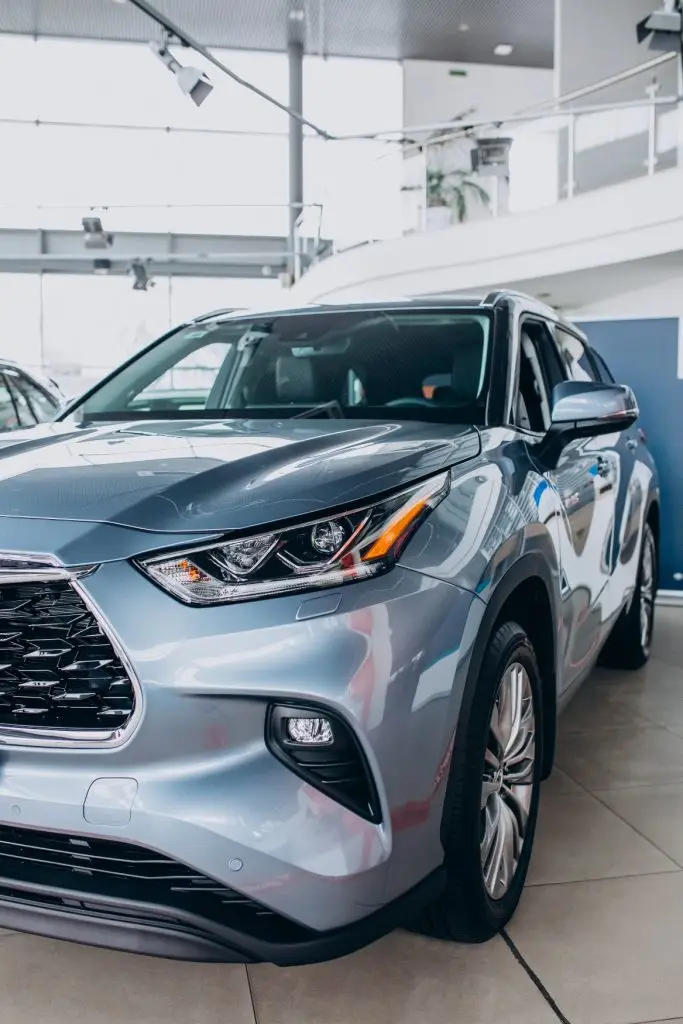
Expert maintenance guide for vehicles over 100,000 miles in Denton, TX
Congratulations! If your Honda, Toyota, Nissan, or other Japanese import has crossed the 100,000-mile mark, you’ve already proven you made a smart vehicle choice. While some might see 100,000 miles as the beginning of the end, we at All About Imports know better. Since 2009, we’ve been helping Denton drivers keep their high-mileage vehicles running well past 200,000 miles and beyond.
Modern Japanese imports are engineering marvels designed for longevity. That Camry you see in the UNT parking lot with 250,000 miles? That Accord commuting daily on I-35E with 300,000 miles? These aren’t exceptions – they’re examples of what proper maintenance can achieve. The key to joining their ranks lies in understanding how maintenance needs change after 100,000 miles and adapting your care accordingly.
Whether you’re a college student at TWU stretching your vehicle’s life to avoid car payments, a Denton family maximizing your automotive investment, or someone who simply loves their reliable import, this guide will help you understand how to maintain your high-mileage vehicle for continued reliable service.
What 100,000 Miles Really Means – In the past, 100,000 miles was considered the end of a vehicle’s useful life. Today, especially for Japanese imports, it’s merely the halfway point. Consider:


At All About Imports, we regularly service:
These aren’t rebuilt vehicles – they’re original engines and transmissions maintained properly.

After 100,000 miles, your approach should change from “basic maintenance” to “preservation and prevention”:
Before 100K:
After 100K:
This shift in thinking helps you stay ahead of problems rather than reacting to failures.
Wear Patterns Accelerate – Certain components experience accelerated wear after 100,000 miles:


Understanding these changes helps you anticipate maintenance needs.
Systems Requiring Extra Attention

After 100,000 miles, cooling systems need vigilant monitoring:
In Texas heat, cooling system health is critical for engine longevity.

High-mileage effects include:
These affect both safety and tire wear.

Age and mileage impact:
Electrical issues can cascade if ignored.
Modified Maintenance Intervals – After 100,000 miles, consider shorter intervals:


Proactive Component Replacement – Don’t wait for failure on critical components:


Honda vehicles are legendary for longevity:
Accord:
Civic:
CR-V:

Toyota’s reputation is well-earned:
Camry:
Corolla:
4Runner/Tacoma:

With proper care, Nissans last:
Altima:
Maxima:
Frontier:

Calculate your real costs:
Current Vehicle:
New Vehicle Alternative:
Example Math:

Keep Investing When:
Consider Replacement When:

While some maintenance seems simple, consider:
Leave to Professionals:
Why Professional Service Matters More:

Our climate is particularly hard on older vehicles:
Rubber Component Stress:
Fluid Challenges:
Electrical Impact:

Local conditions affecting older vehicles:
Stop-and-Go Traffic:
Road Conditions:
Understanding these factors helps prioritize maintenance.

Schedule comprehensive inspections:
Spring Check:
Fall Check:

Set aside monthly:
Annual budget items:
Record Keeping Importance
For high-mileage vehicles, records are crucial:
Myth: “It’s Not Worth Fixing After 100K”
Reality: Most repairs cost less than three car payments.
Myth: “High-Mileage Vehicles Are Unreliable”
Reality: Maintained vehicles are often more reliable than new ones with unknown issues.
Myth: “You Need Premium Everything”
Reality: Quality parts yes, but not necessarily most expensive options.
Myth: “Dealers Won’t Service Old Vehicles”
Reality: Independent specialists often provide better service for older imports.
Myth: “Resale Value Is Zero”
Reality: Well-maintained imports hold surprising value.

We understand:

We provide:

We source:
Your 100,000+ mile vehicle has already proven its worth. With proper maintenance, it can continue providing reliable, economical transportation for years to come.
Don’t Wait For Problems
Schedule service for:
Reaching 100,000 miles in your Honda, Toyota, Nissan, or other Japanese import isn’t an ending – it’s a milestone worth celebrating and the beginning of a new maintenance phase. These vehicles were engineered for longevity, and with adjusted maintenance strategies, they can reliably serve you for another 100,000 miles or more.
At All About Imports, we’ve been helping Denton drivers maximize their high-mileage vehicles since 2009. We’ve seen firsthand how proper maintenance transforms a 100,000-mile vehicle from a question mark into a reliable daily driver. The key is understanding what changes after 100,000 miles and adapting your maintenance accordingly.
Whether you’re a UNT student avoiding car payments, a TWU staff member who loves their reliable import, or a Denton family maximizing value, we’re here to help you succeed with high-mileage ownership. Your vehicle has already proven its quality – now let’s help it prove its longevity.
Don’t let 100,000 miles intimidate you. Call us at (940) 566-2125 to discuss your high-mileage maintenance strategy. Together, we’ll keep your import running strong for many more miles of reliable service.
Denton’s Dealer Alternative for Japanese Auto Repair
Quality work you can trust.